

Hi social pro 👋
Last April Fools, Liquid I.V. teased a pickle flavor collab with Grillo's Pickles. It was a joke - but the comment section took it seriously.
So seriously that Liquid I.V. spent the next year actually making it. When it launched earlier this month, it became one of their biggest sales days ever on liquid-iv.com.
We ran 1,200 comments across 5 posts through Siftsy to understand how it all played out.
Let’s get into it 👇
— Brett
From the feed: How Liquid I.V.'s April Fools joke became a sell-out product launch
Liquid I.V. has built one of the most engaged communities in the hydration space. Their comment sections are active, opinionated, and (as it turns out) worth listening to.
Which is exactly what makes this story worth studying.
Last April Fools, they posted a teaser for a dill pickle flavor made in partnership with Grillo's Pickles. It was a prank. But the reaction in the comments told a different story. Fans weren't laughing, they were demanding the product be real. Some had been caught out by the Grillo's April Fools post before and were already primed to want it.
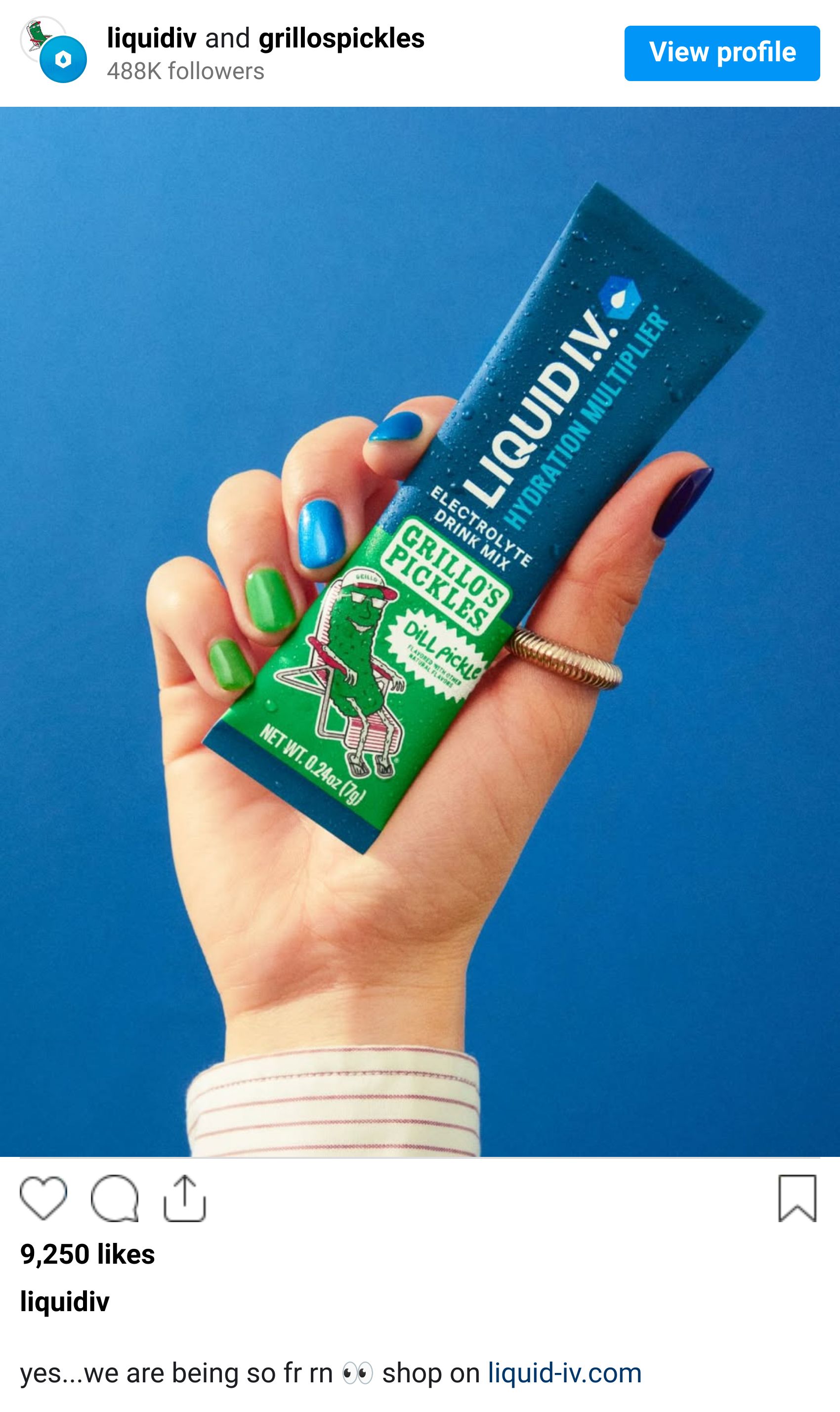
So Liquid I.V. listened. Their R&D team spent the next year working with Grillo's to perfect a dill pickle flavor that delivered on the hydration, electrolytes, and nutrients their audience expects. Their marketing and creative teams built a campaign around it. And when it launched at the start of April, it sold out fast.
We ran 1,200 comments across 5 posts through Siftsy to understand what the reaction looked like - and what any brand can take from it.
1. The community had been primed for a year
14.7% of comments were still questioning whether the launch was genuine even after it went live. That number tells you something important: the original April Fools post had lodged itself so deeply in the community's memory that when the real product arrived, people's first instinct was disbelief. Liquid I.V. had spent a year building anticipation without spending a single dollar.
2. The demand spread beyond their own comment sections
The appetite for this flavor wasn't contained to Liquid I.V.'s posts. Other brands weighing in - including one that made the mistake of teasing a fake pickle product on the same day and found themselves on the receiving end of the same community - showed how thoroughly the audience had claimed ownership of this flavor. The demand had taken on a life of its own.

3. Selling out confirmed what the comments already knew
Restock requests were the most discussed topic across the dataset, showing up in 15.3% of comments and scoring the highest Siftsy score of any theme. The sell-out ended up amplifying the enthusiasm, turning demand into urgency and urgency into some of the most compelling organic advocacy a brand could ask for.
4. The interest went deeper than novelty
Alongside the restock pressure, commenters were already thinking about how to use the flavor - mocktail recipes, flavor pairing ideas, requests to make it a permanent SKU. For a limited-edition launch, these are meaningful signals about where the product could go next.
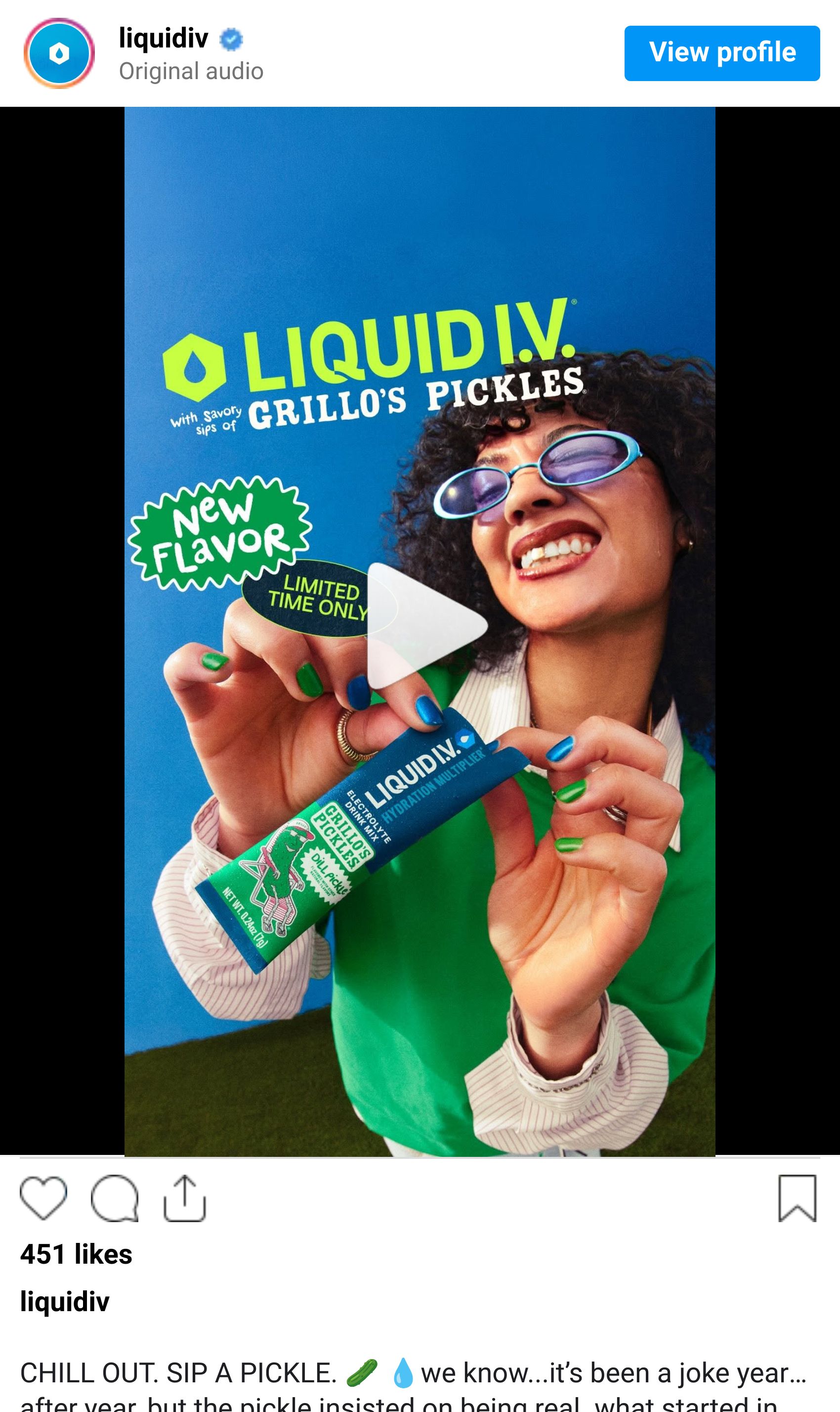
What makes this such an interesting case study is the discipline behind it. Liquid I.V. built a feedback loop that ran from a single prank post all the way through to a product launch. The brief came from the community, and so did the validation.
The demand signal that justified a year of R&D was sitting in the comment section the whole time.
Pulse check
How often do you act on what you find in the comments?
On our radar
@davidprotein David is 150 calories.
David Protein got hit with a lawsuit in January claiming their bars understate calories and fat. It barely registered - until TikTokers started calling it a “Regina George moment” and the story went viral.
They found their response in the same place the narrative got away from them: the comments.
David leaned into the meme directly, posted their own Mean Girls-style video, and used the moment to educate their audience on EPG, the fat substitute that makes their calorie count work differently to a standard bar.
A good reminder that the comment section that creates the crisis often contains the clearest signal for how to respond to it.
Trend watch
What the Siftsy team has been reading, saving, and talking about this week.


Thanks for reading The Signal.
If something here sparked a thought or reaction, drop it in the comments (aka reply back here).
See you next week,
Research and editorial support by Amy Watts